
Impact Report 2026
Report from the 2025 Supported Organisations & Their Programs
Report Date: 5 June 2026

In 2025, Sapphire supported two visionary programs:
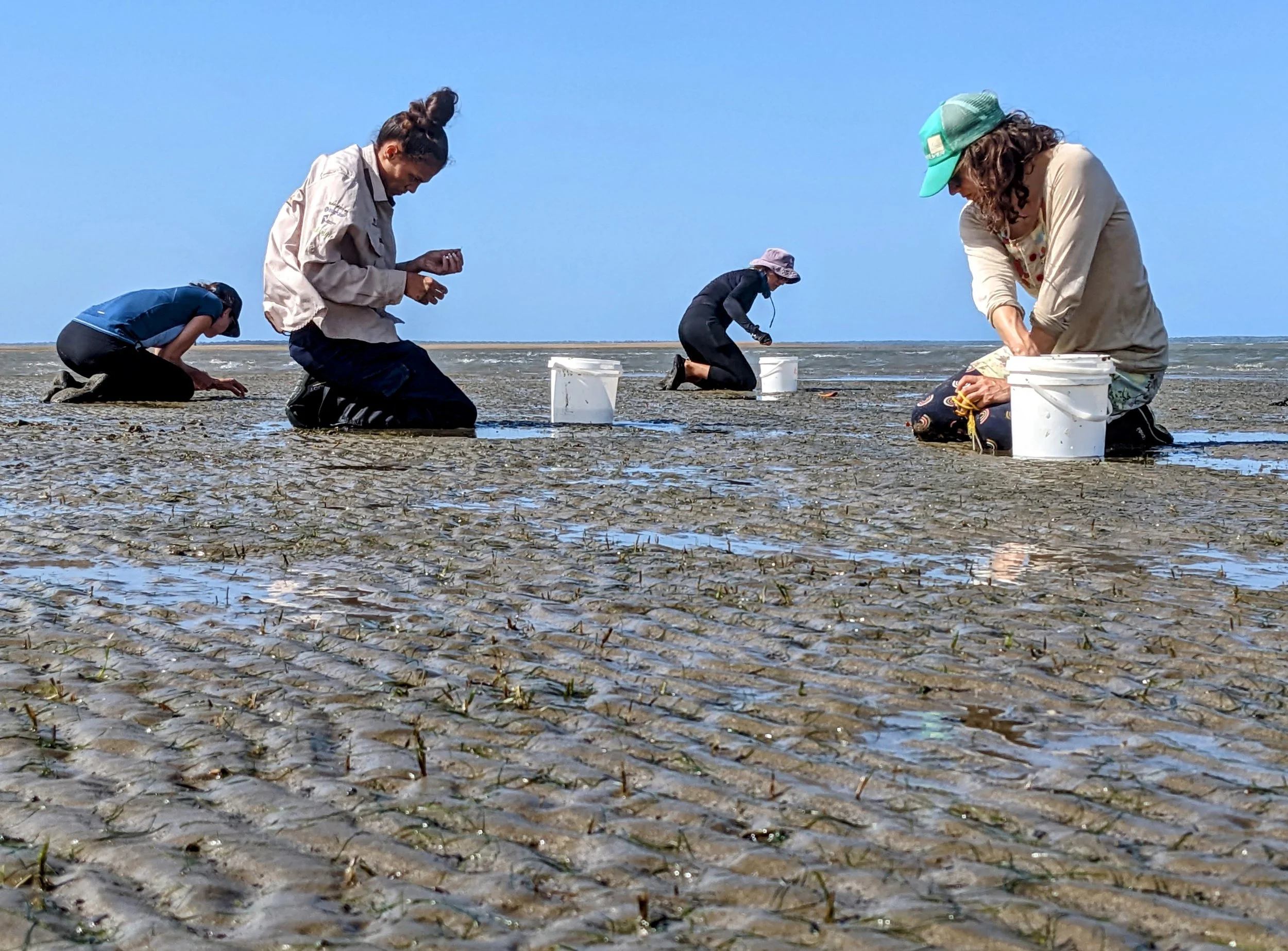
SeaGrow, a seagrass restoration initiative in partnership with Traditional Owners, local communities, and researchers. Support from Sapphire has helped rebuild underwater meadows that provide food, shelter, and climate resilience.
The Junior Indigenous Ranger Program - empowering the next generation of reef guardians, creating opportunities for young people to care for Country and carry forward a legacy of ocean stewardship.
1. SeaGrow
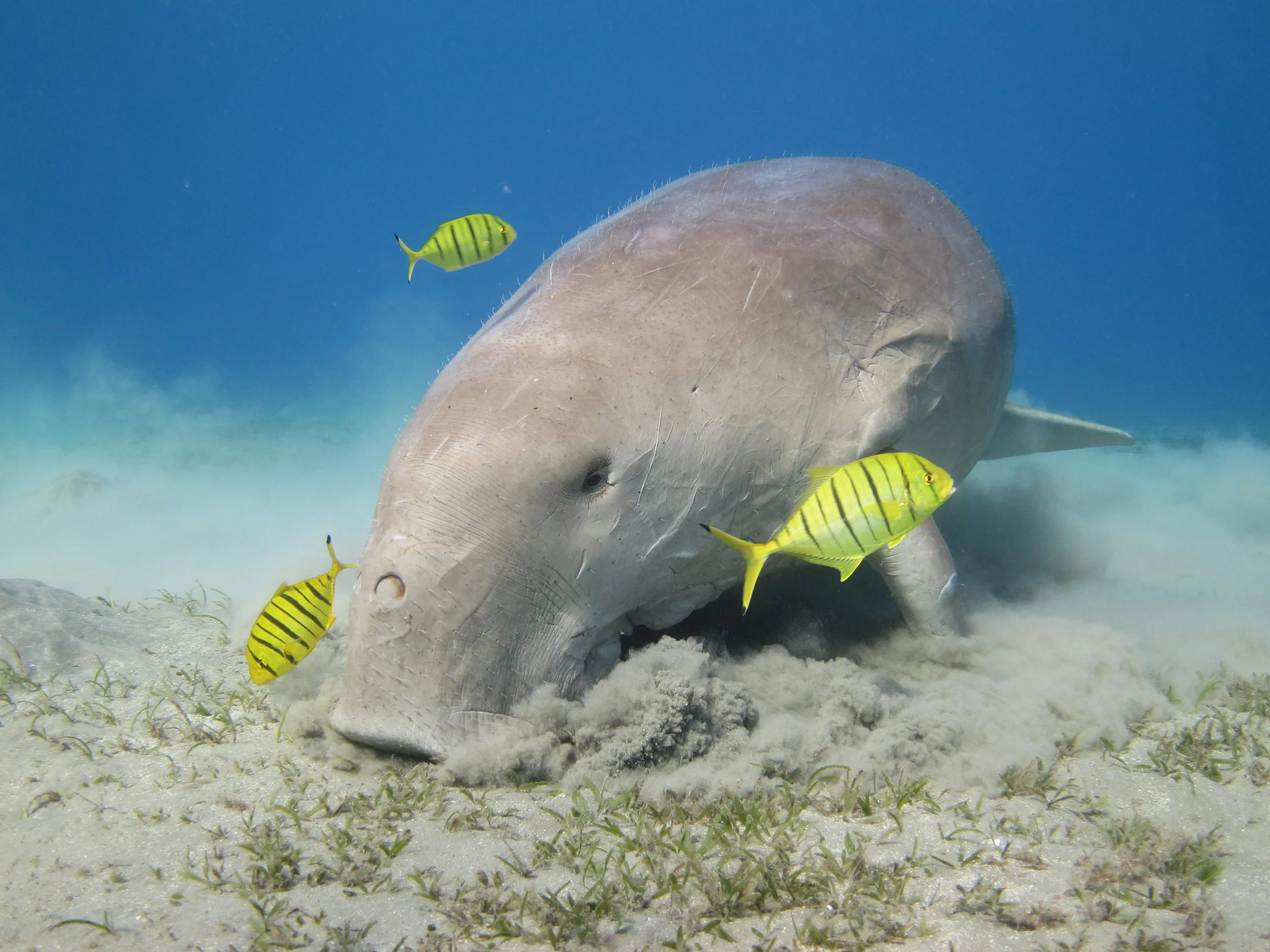
Seagrass meadows are the unsung heroes of the Great Barrier Reef, quietly storing carbon, sheltering marine life and feeding sea turtles and dugongs. But in recent years, these critical ecosystems have suffered severe losses.
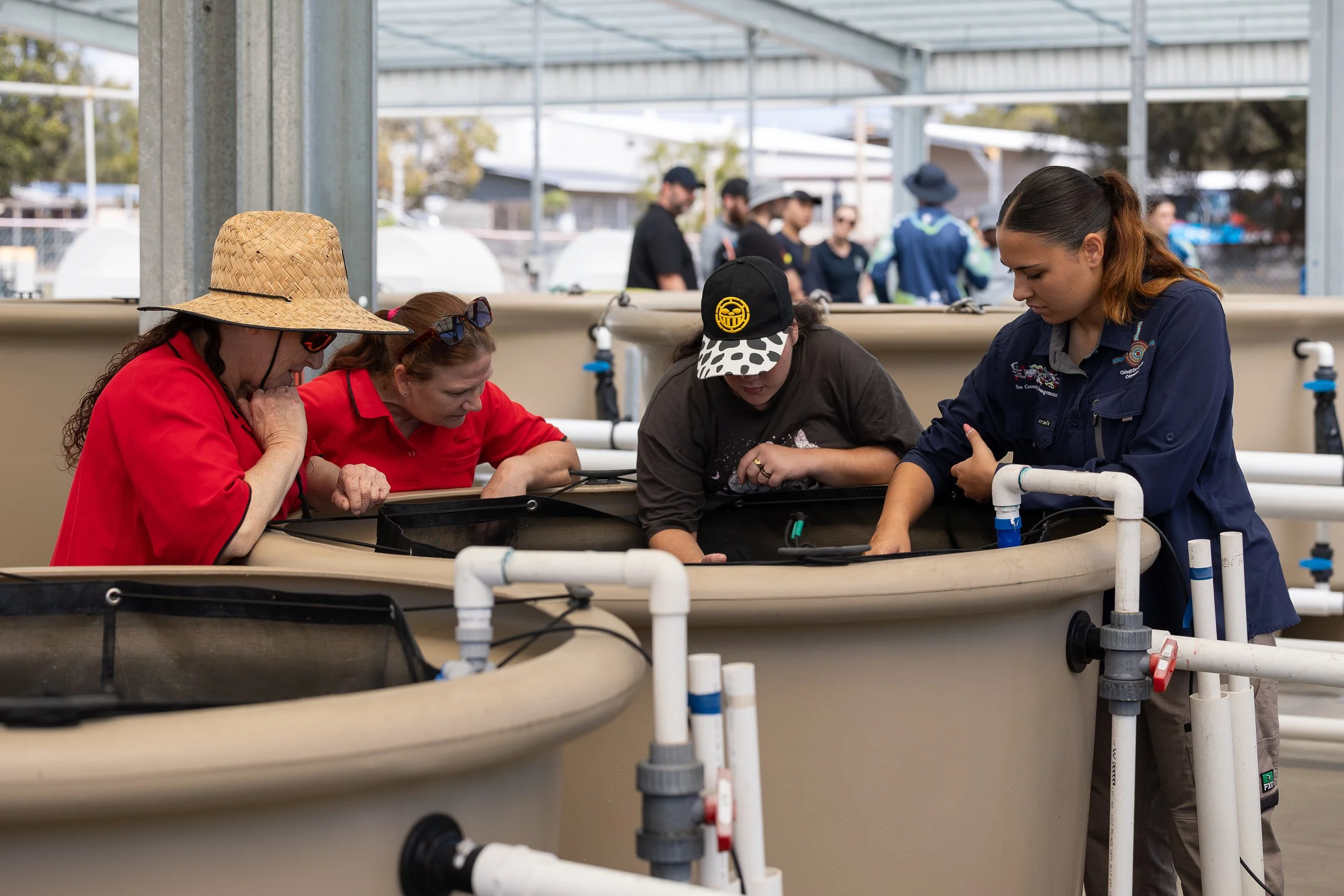
As part of the Scaling Seagrass Restoration program, the Seagrow Nursery at Central Queensland University’s Coastal Marine Ecosystem Research Centre is the world’s largest seagrass nursery. This site is pioneering innovative seed-based restoration techniques that make large-scale seagrass recovery possible.
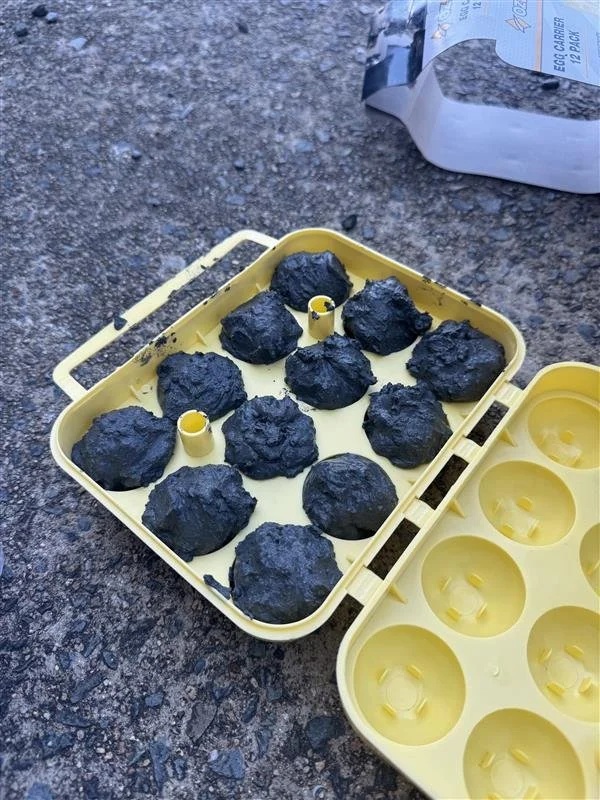
Restoration trials at the 400-hectare Rodd’s Bay meadow near Gladstone saw more than 3,500 seed-based mud balls (small balls made from natural sediment mixed with seagrass seeds) deployed. These help protect seeds and keep them in place so new seagrass can grow. Drones are also being used to identify the best locations for reseeding, improving survival rates and efficiency.
By testing and refining multiple pathways to scale, SeaGrow is building the systems and capability needed to restore seagrass at the pace the Reef now requires.
2. Junior Ranger Program
Funding from The Sapphire Project supported interviews and case studies to be collected from existing Junior Ranger programs, shaping how we approach the next phase of the project, ensuring future programs remain community-led, culturally respectful and grounded in lived experience.

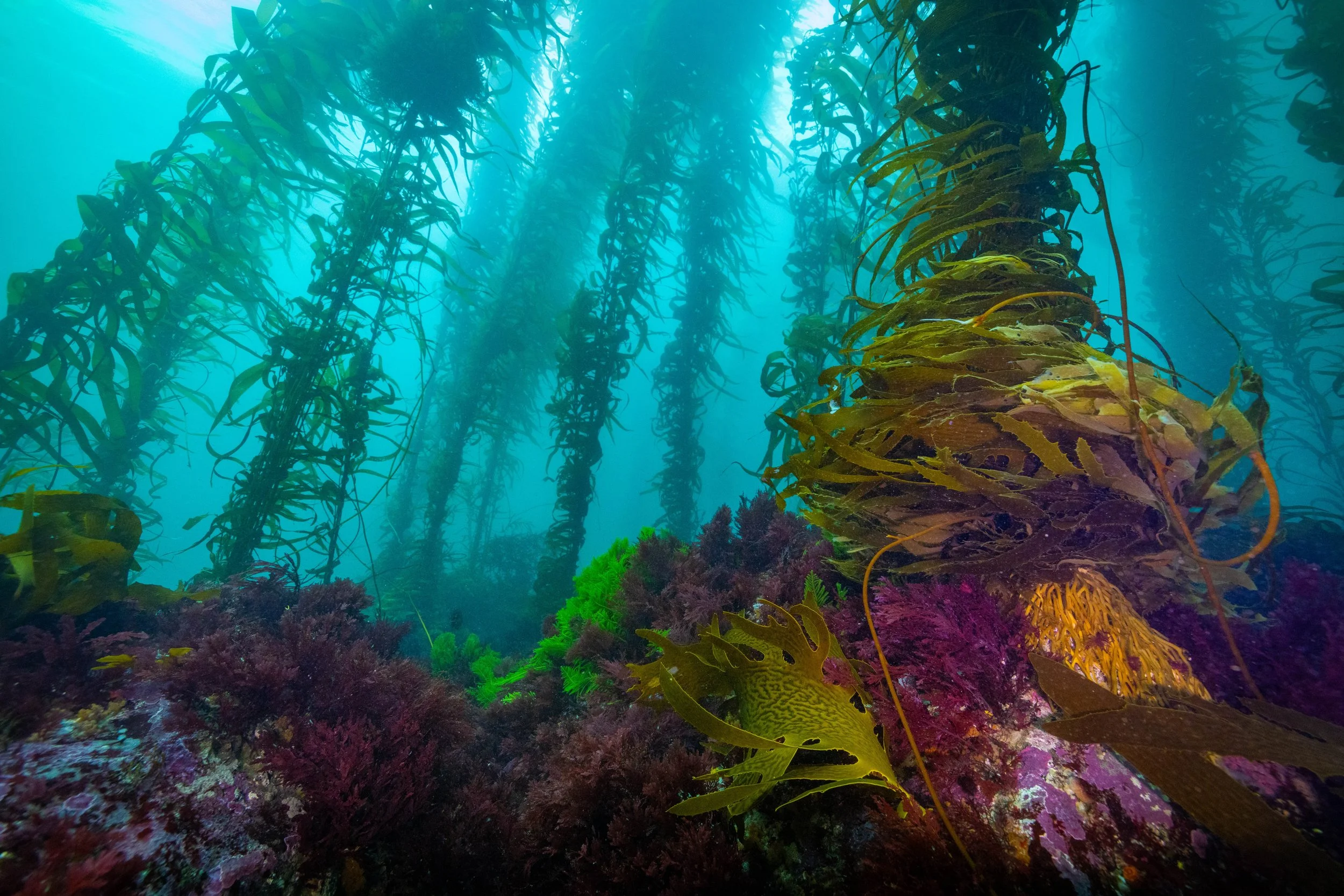
The Great Southern Reef Foundation exists to help Australians see, understand and care for the vast kelp forest ecosystems that stretch along the southern half of the continent. Through storytelling, community engagement and science communication, the Foundation is working to bring the Great Southern Reef into the national conversation and build the public momentum needed to protect these ecosystems into the future.
Key activities included:
Expanding the White Rock Impact Campaign
With support from the Sapphire Project, White Rock has continued to grow from a documentary into a national community movement. The film explores the spread of long-spined sea urchins and the loss of kelp forests, while helping Australians reconnect with the ecosystems on their doorstep and recognise what is at stake if they disappear.
Sapphire funding has supported community screening resources, educational materials and school engagement programs that are now being used across Australia. The campaign has reached more than 100 screenings nationally, while also helping introduce audiences to the role sustainable seafood and regenerative urchin harvesting could play in restoring balance to these marine ecosystems.Responding to the South Australian Algal Bloom
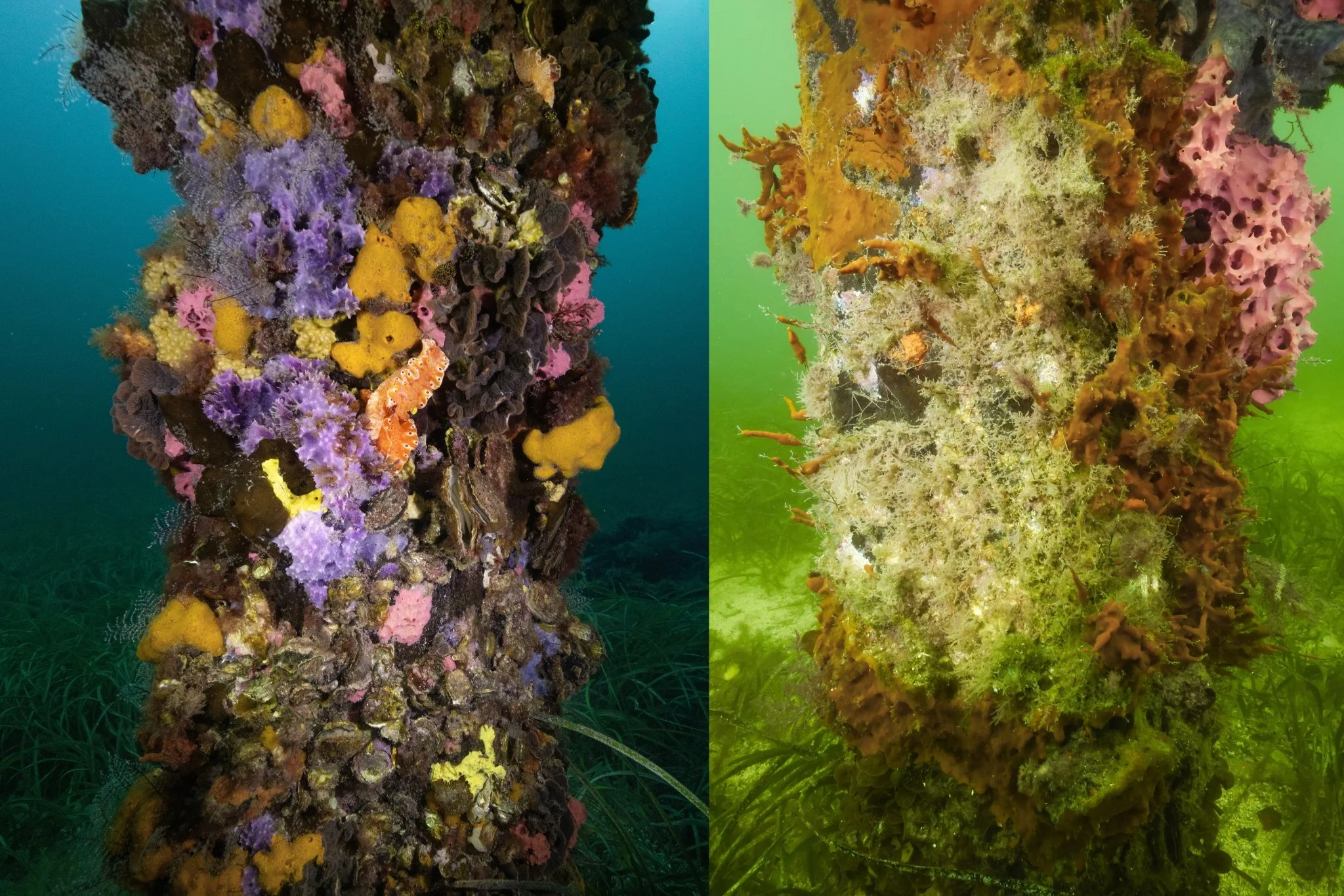
As the harmful algal bloom unfolded across South Australia’s coastline, Sapphire’s additional support allowed GSRF to rapidly mobilise underwater documentation teams to capture the impacts beneath the surface. This work helped bring national attention to the unfolding ecological crisis while also creating space for local voices, grief and shared understanding. Support also enabled the development of harmful algal bloom educational resources for schools, including an animated video for primary-aged students.
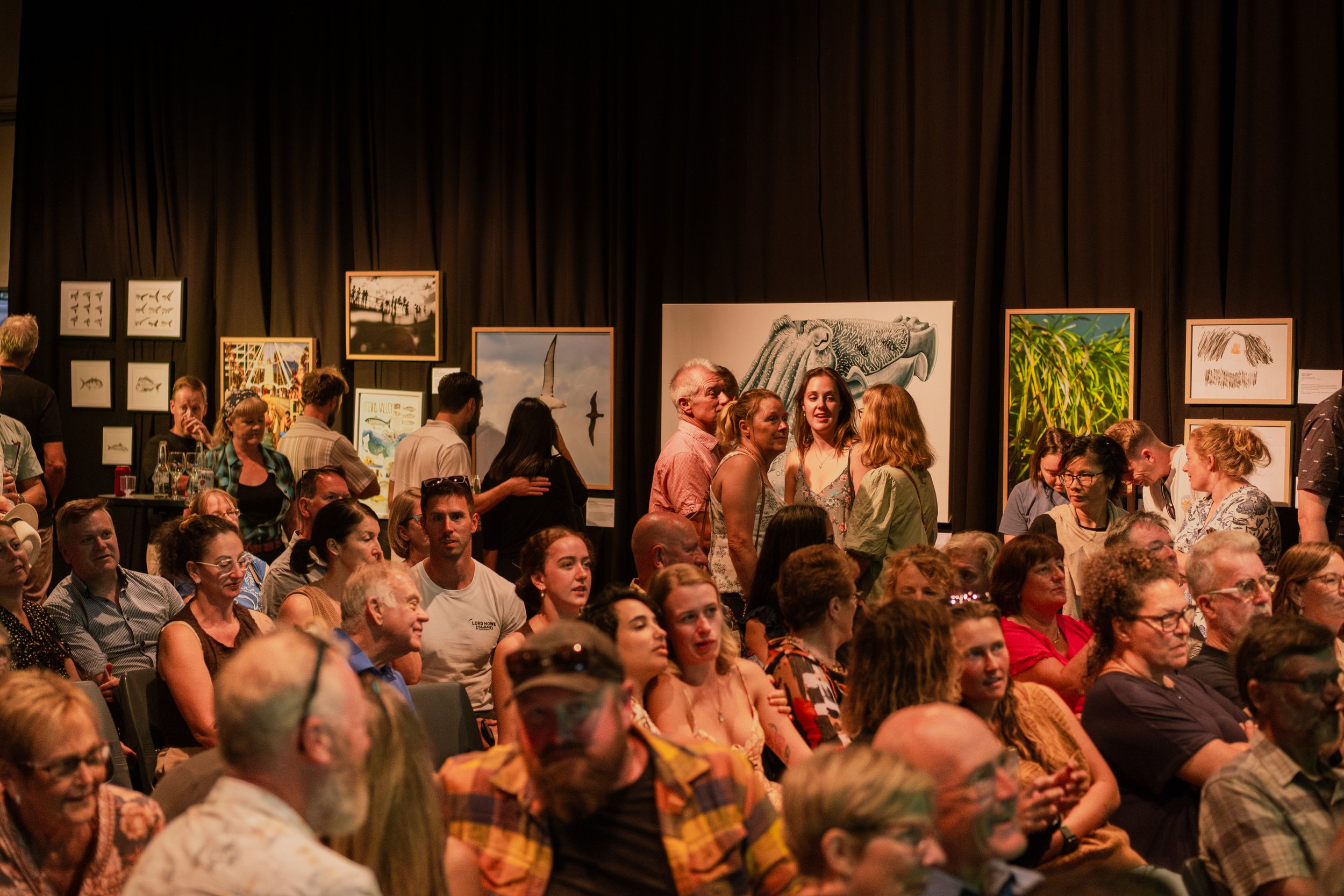
Sapphire support also enabled the creation of the Beyond the Bloom art and photography exhibition, bringing together artists, scientists and community voices to help process environmental loss while reminding people these ecosystems are still worth protecting. Since launching in March 2026, the exhibition has begun travelling across southern Australia.Building Momentum for Long-Term Protection
Together, these projects are helping build momentum for a future where Australia gives the Great Southern Reef the same visibility, scientific attention and long-term care afforded to other iconic ecosystems. Sapphire funding is helping support the partnerships, storytelling and public momentum behind the emerging Great Southern Reef Integrated Monitoring Program (GSR-IMP), a vision for coordinated long-term biodiversity monitoring across Australia’s kelp forest.

The Great Australian Bight is one of the last great marine wildernesses on earth, yet it is continually threatened by offshore oil and gas drilling.
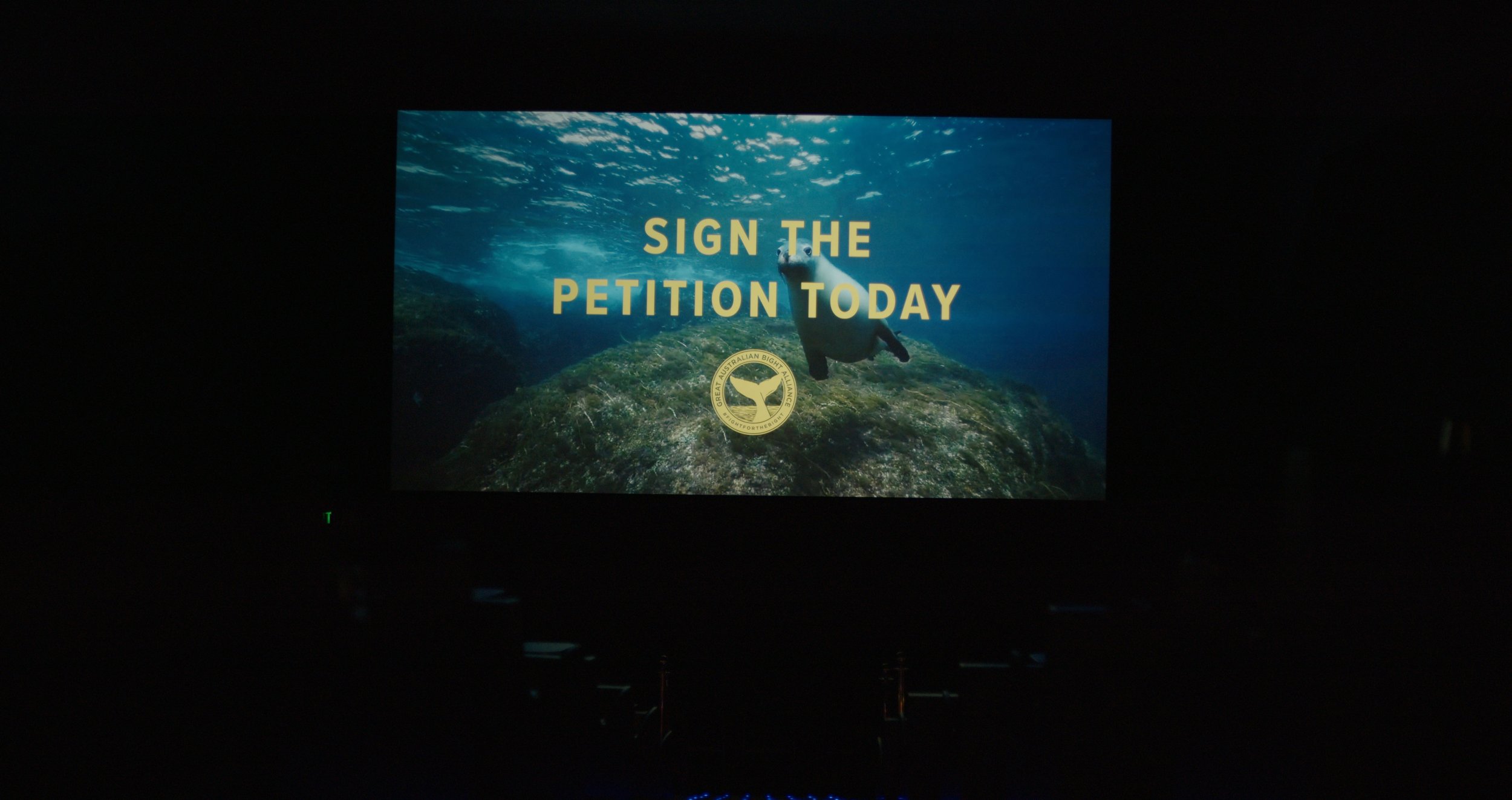
The Final Fight for the Bight campaign aims to secure UNESCO World Heritage status for the Bight, closing the door on offshore oil and gas drilling permanently. As a member of the Bight Alliance, Surfers for Climate's role in this campaign is to make the Bight matter to people who have never seen it, never surfed it, and never thought about it.
Momentum is building with SA Premier Malinauskas formally backing World Heritage protection for the Bight, more than 15,000 Australians signing the petition and a cross-party Parliamentary Friends of the Bight group active in Canberra. At the same time, pressure to open the Bight for drilling has intensified.
Over 2026, Surfers for Climate aims to have a completed documentary feature in distribution, a screening in the National Parliament that puts the Bight's story directly in front of the people who can act on it, and a successful National Geographic grant application that takes the feature into its next production phase. And, through the campaign as a whole, a federal nomination for World Heritage assessment, the decision that would make the Bight's protection permanent.
The Sapphire funding is foundational in building the content infrastructure that makes all of this possible and keeps the campaign visible.
Key activities included:
Ambassador content, live
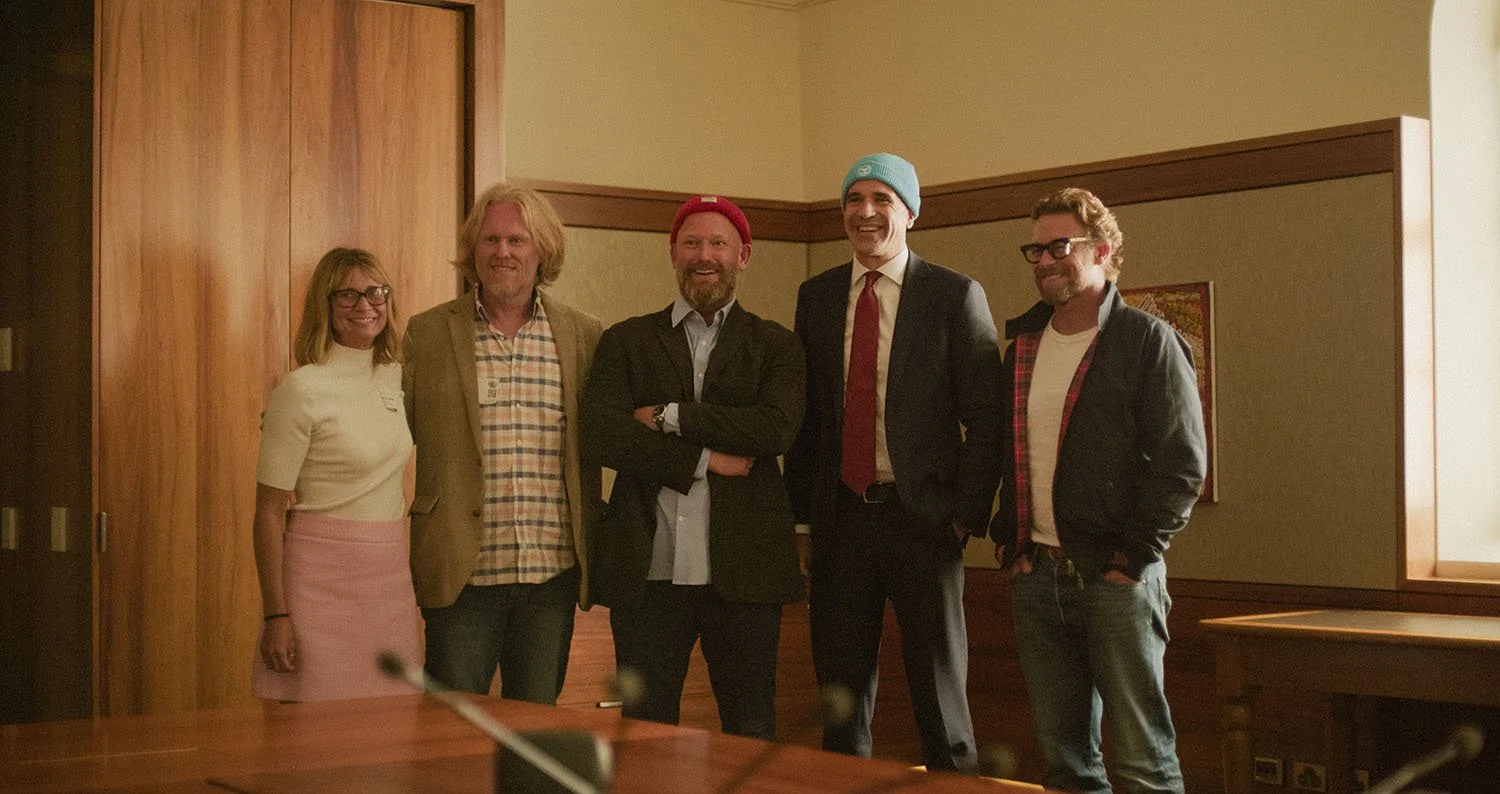
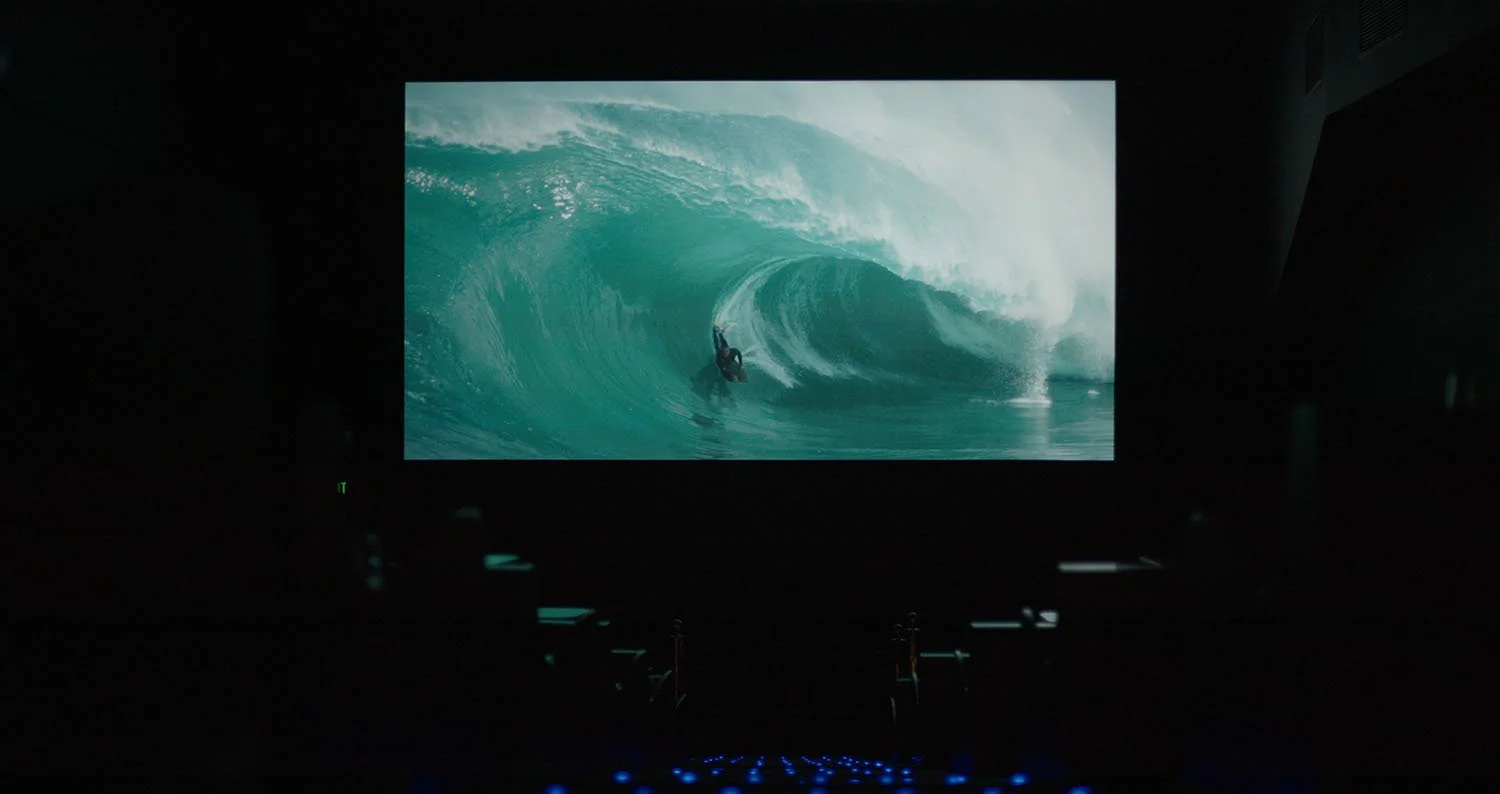
The first body of work produced with this funding was a suite of ambassador-led social content, now live across Surfers For Climate's channels. Filmmaker Jamil Hassan has produced pieces featuring surfer Craig Anderson, co-founder Belinda Baggs, professional bodyboarder Dave Winchester, and a joint piece with SA Premier Peter Malinauskas and actor Simon Baker.
Each piece is a personal account from someone with a direct connection to the Bight, cut for the audiences who need to hear it. This content is the campaign's primary tool for turning an abstract place into somewhere people feel they have a stake in protecting.Campaign trailers
Jamil has also produced a suite of campaign trailers at 30, 60 and 90 seconds, with versions cut for screenings, web, social, cinema and TV. A separate trailer was produced in partnership with Polestar for the Oceans Film Festival. These assets are now in active use across the campaign and coalition, and are the primary materials used to brief MPs, partners and media.
Documentary feature, in development
The longer-form documentary is in active development, registered with Documentary Australia. A National Geographic grant application is currently in progress, which if successful would fund the next stage of production. A 5-minute cut is being prepared for a planned Parliament screening in September 2026, where the film will be shown to cross-party MPs inside the Parliamentary Friends of the Bight group. The goal is to put the Bight in front of Australians and to give the campaign a cultural asset that outlasts any single political moment.


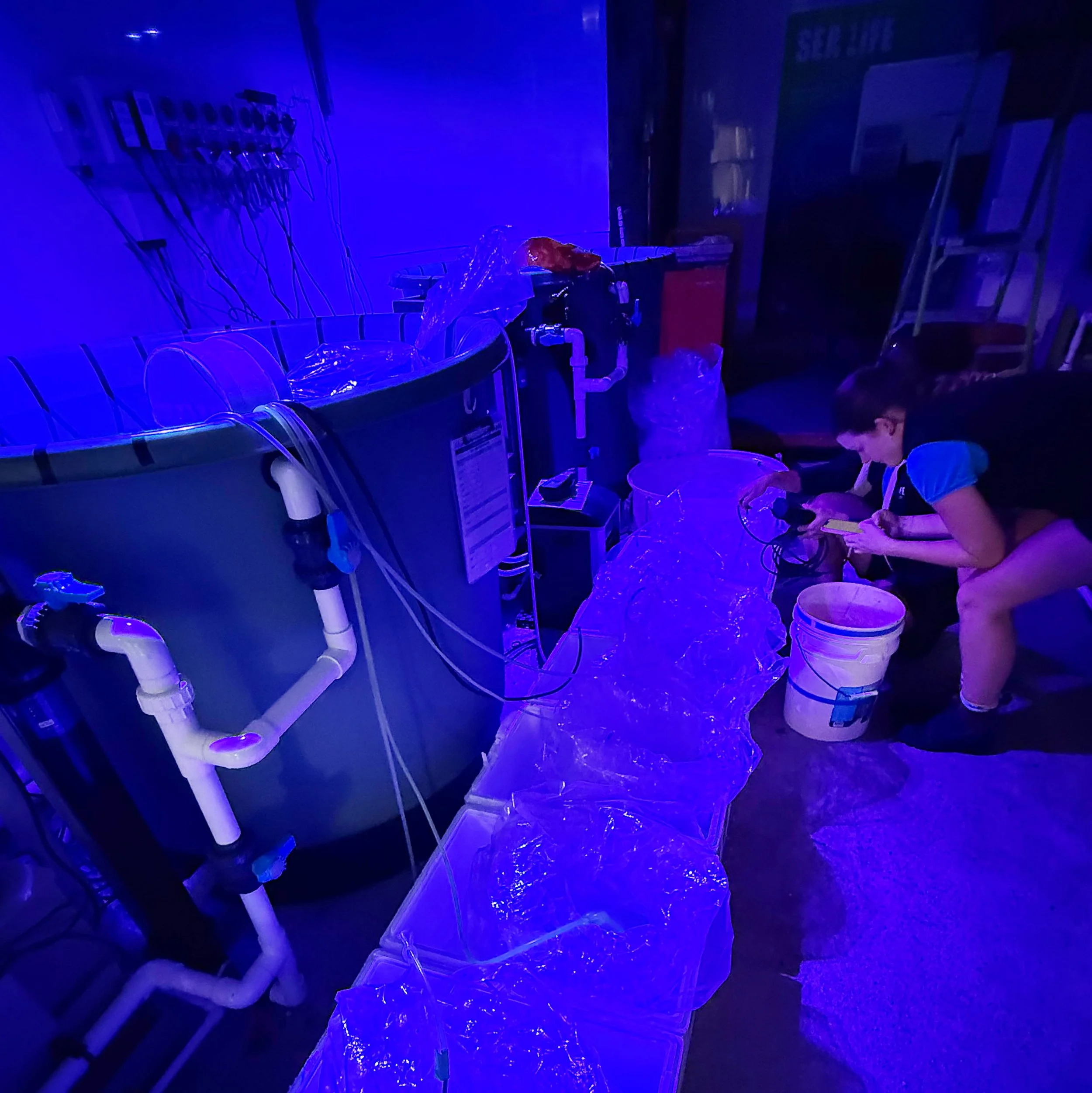
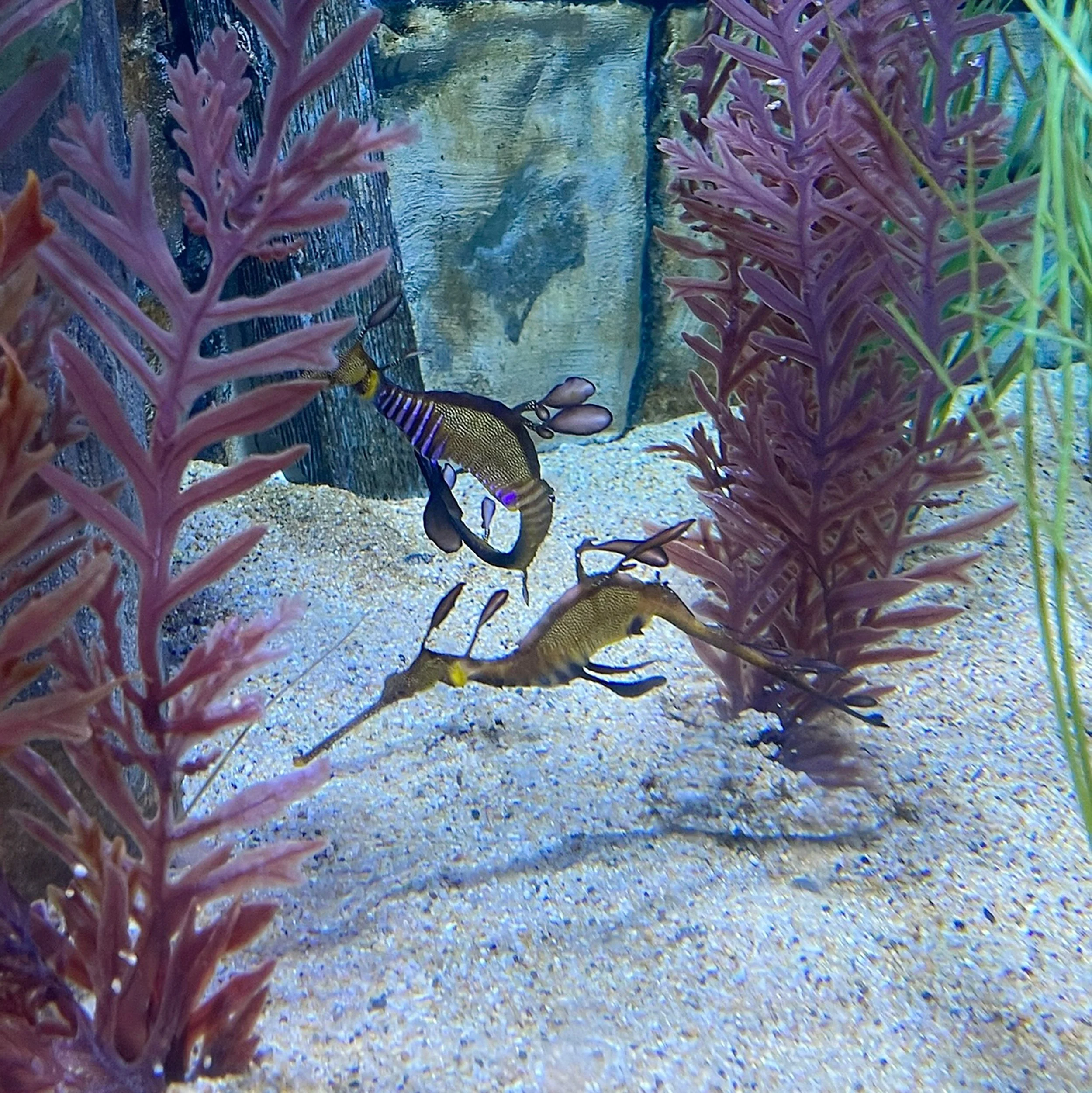
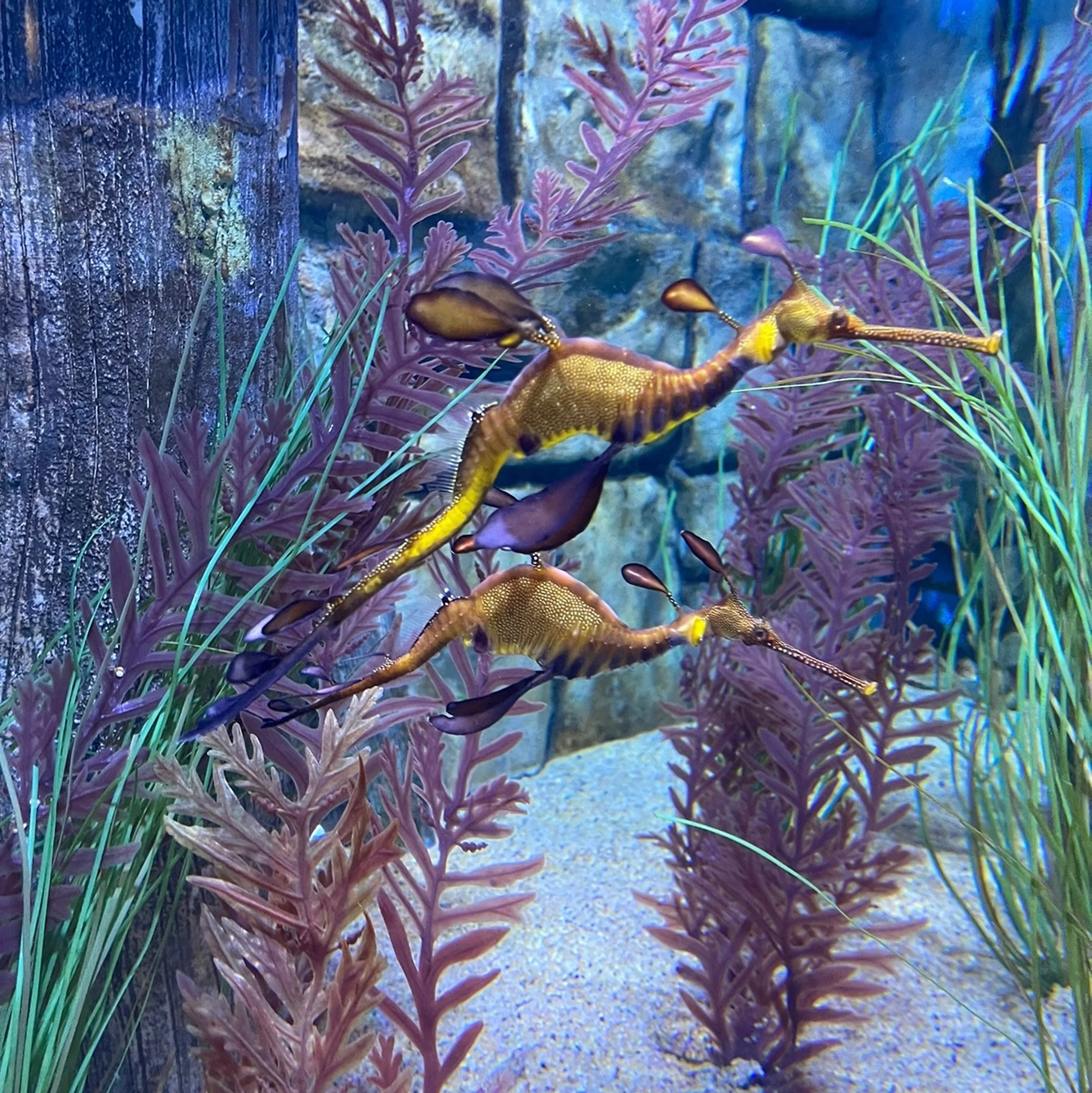
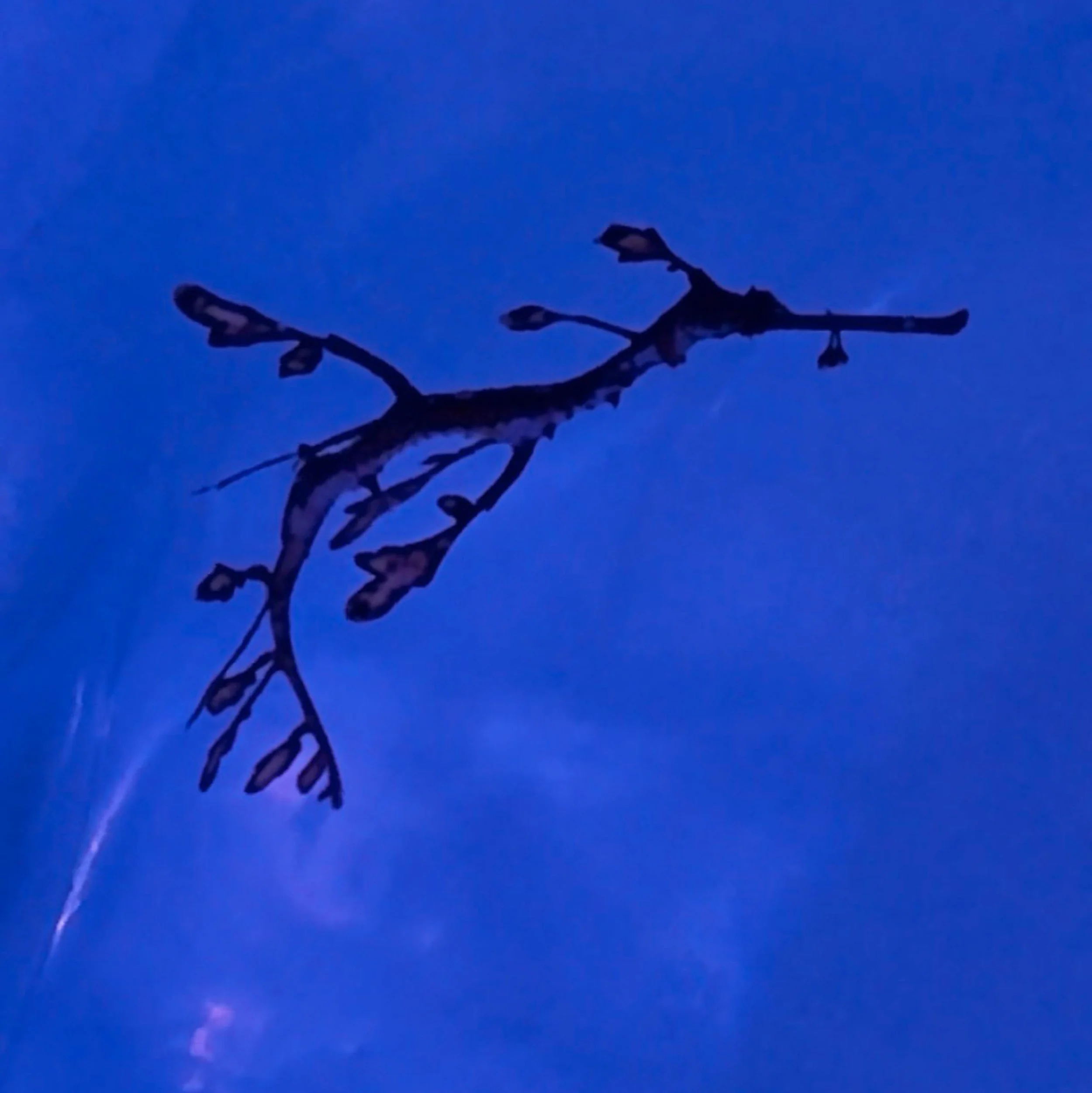
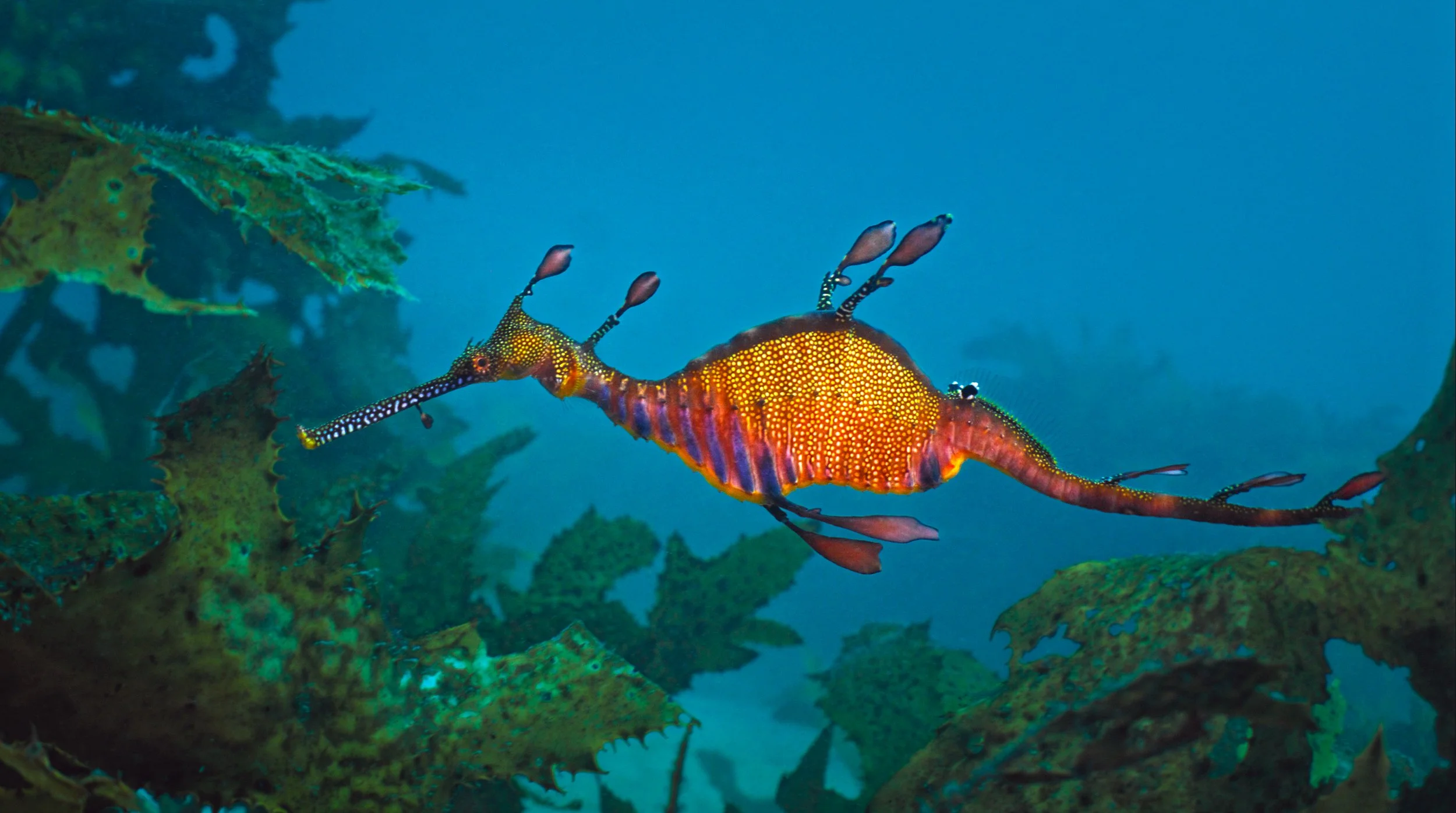
Seadragons are endemic to Australia and found in the Great Southern Reef. Seadragon Conservation aims to prevent this species from becoming endangered. Sapphire Project funding is helping to advance knowledge and outreach regarding Australia's seadragons, with a strong emphasis on public engagement through art and media.
Key activities included:
Science, research & education
UTS Fish Ecology Lab engaged with citizen scientists to map weedy seadragon locations in Sydney
South Australian Harmful Algal Bloom seadragon washups: Continued collaboration with locals/ citizen scientists to collect and study mortalities. Instigated the Global Sea Dragon ex situ Conservation Program with the SA Government
UTS graduate research student involvement:
Appointment of three new research students to work on the project
Depth refuge for seadragons
Spatial patterns in seadragon morphology and genetics
SEALIFE collaboration:
UTS Honours student research in SEALIFE Melbourne and SEALIFE Sydney (behaviour of resident, introduced, and new juvenile seadragons)
Seadragon display corner and public interactions
Seadragon husbandry and aquarium behaviour (link with global seadragon husbandry and aquarists)
Purchase of 6 juvenile seadragons from Victoria. These will be displayed at Sydney Aquarium- this is the first time in over 5 years that the public of Sydney will have a chance to see the seadragons up close. Because of this collaboration, our PhD students can conduct research and observation with possible expansion into a future breeding program
Public engagement & education
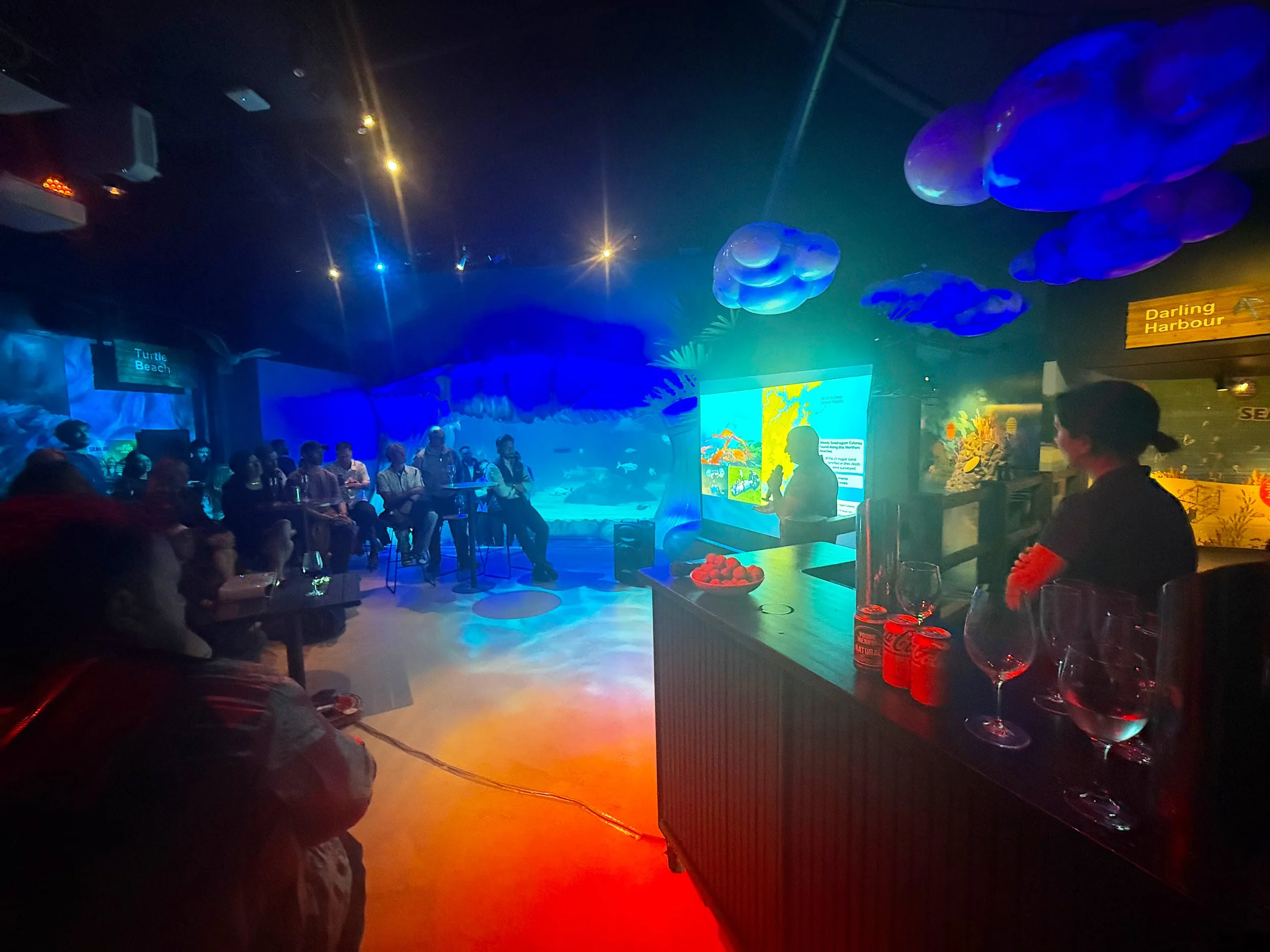
Project launch activation at SEALIFE Sydney Aquarium and interview on ABC Radio Sydney
Design and prototyping of public seadragon sculpture (funded by Jordan Askill)
Design and production of Seadragon Pendants (funded by Jordan Askill)
Production and publishing of underwater film: “Seadragon conservation film part 1–phyllopteryx taeniolatus: the weedy seadragon”. This is currently on show at SEALIFE Sydney Aquarium for public awareness.
“All the great things are simple, and many can be expressed in a single word: freedom, justice, honour, duty, mercy, hope.”
Winston Churchill